


Officially 2 years of having a healthy and regular cycle! Today I am sharing my journey of healing and how to get your period back naturally if you have lost it. From eating more food, working out less, supplementation, and educating myself, I discuss the things I have learned along the way and what has helped me.
Never Miss a Recipe!
Get new recipes like this delivered to your inbox.
We are celebrating 2 years since I got my period back and having it ever since! While that might not sound exciting for some, it is a huge milestone in my life after not having a cycle for 10 years. I am so passionate about this subject I wanted to write up a post since I know so many women struggle with it.
If you are not familiar with my history, you can check out my health and fitness journey. That post is a very in-depth look into my diet and lifestyle for the past 10-15 years of my life.
For a shorter version, I did not have a regular period for 10 years – I went on birth control in 2006 when I entered college. My cycle was never really regular and that is pretty much the go-to solution from doctors nowadays.
In 2008 I decided to go off birth control as I didn’t like how it was making me feel and was getting out of a serious relationship. Over the next 10 years, I struggled with food and fitness. I was very restrictive in my eating and over-exercised. I also lost 20-25 pounds over the next few years.
While I was never officially diagnosed with anything, I now know it was from over-exercising and drastically under-eating (hypothalamic amenorrhea). Running 14 miles a day, going to softball practice, and playing intramural sports while eating some yogurt and granola, fruit, and a veggie salad does not add up. Oh, and maybe some peanut butter so I wouldn’t go to bed completely starving.
I would also binge eat on the weekends to make up for all the food I didn’t eat during the week. This cycle of restricting and binging continued on for years. From 2008-2013, I had no period at all. The next 5 years or so (2013-2018), it would come randomly, but maybe only 15-20 times over those 5 years.
The importance of your period
To be honest, I liked not having my period for a while. No need to buy tampons, no worrying about it interfering with my social life, and being able to be sexually active without worrying about getting pregnant.
The thing is, your monthly cycle is extremely important – it is your monthly report card. When you don’t have a regular cycle (being on hormonal birth control is not a regular cycle and a fake bleed), your body is telling you something. It is shutting down that function because it does not feel safe and uses that energy for more important things, like breathing and digestion.
Having your period is your body telling you your hormones are working. That it feels safe and you are able to reproduce. It is the way of your body telling you of your general health and if it is healthy or not. I know those are bold statements, but when you really think about it, it’s true. The same goes for the symptoms of your period.
I suggest reading this article from NCBI for a more thorough explanation of your period and hormones and how not having your cycle affects your body.
It wasn’t until a couple of years ago as I was approaching 30, I realized this wasn’t healthy and if we wanted to start a family one day, I needed to look into fixing this. Note – we are not trying to get pregnant right now, but I think it’s important to have healthy hormones regardless if you want kids or not.
How to get your period back naturally
Getting your period back is not a one size fits all approach. There are many reasons why we might not have a healthy cycle, but there are a bunch of things we can do to help get it back. While everyone is different, here are things that I did to help get my period back:
Eating more food, especially carbs and fats, and stopping restriction of foods
Our body needs food to function. It needs the energy from the calories you eat to perform not only basic functions, but things like playing with your dog, doing the dishes, and running a few miles. From what I have experienced myself and through nutrition coaching, a lot of females are under-eating.
We are constantly told to eat less and work out more. That only gets you so far until your body catches up and you crash. Trust me, I’ve been there.
Carbs provide a good source of energy, support our microbiome, support our immune system, provide us with fiber to help eliminate waste, help with the activation of thyroid hormones, and have benefits for our period. The amount varies from person to person, but I would say most females need 150 grams of carbs a day for a healthy cycle. Low-fat diets can cause issues with females in the long term.
One of the main roles of fats and cholesterol is to help regulate hormonal function, especially estrogen and progesterone. We need healthy hormones to have a healthy cycle. A minimum of 60 grams of fat a day is usually a good starting place.
Most women need 1800-2000 calories a day according to the dietary guidelines! Then you add working out on top of that. And from what I have found, a lot of women undereat.
Making sure I was eating enough by tracking my macros
When you undereat for 10 years, it’s really hard to break that mindset. Tracking macros has helped me so much in ensuring that I am fueling my body properly for my activity level and lifestyle. It has also helped me so much in my food freedom and learning that all foods can fit. In my nutrition coaching, I work with others to help them learn this as well.
While this approach might not be for everyone, it is a great tool to use and is eye-opening to the foods we are eating (or not eating).
Decreasing my exercise, especially HIIT
I love the endorphins, the dripping sweat, and feeling like I died (wtf?!) in high-intensity workouts. The thing is, too much working out (since it is a stressor on our body) can have a negative impact on our body, especially if we are under-eating and already stressed. I now mostly do bodybuilding and lower intensity workouts and feel so much better.
Listening to my body
If I didn’t want to work out, I wouldn’t. If I wanted to eat pizza with my husband, I would. To be in tune with your body and not just pushing through a workout or eating salad and chicken because you think you should is a game-changer. More than likely, your body is telling you something.
Reducing Stress
Going along with what I said above, stress is a huge factor in our cycle. Have you ever been late on your cycle and realized you have been really stressed? It’s not a coincidence.
Stress impacts your hypothalamus, which is your master hormonal command center. If you are too stressed out, your hypothalamus reduces its signals to the pituitary, which helps with ovulation. Less signaling means less ovulation. Stress also increases cortisol and a chronic level of high cortisol can lead to HPA dysfunction (also called adrenal fatigue by some).
If you can, try to reduce stress. Whether it be from work, home, family, business, or whatnot. Running my own business is very stressful, but doing things like disconnecting from work/social media, getting outside, going on walks, getting out on the water, reading a book for fun, and cooking are super beneficial for me!
Educating myself
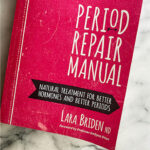
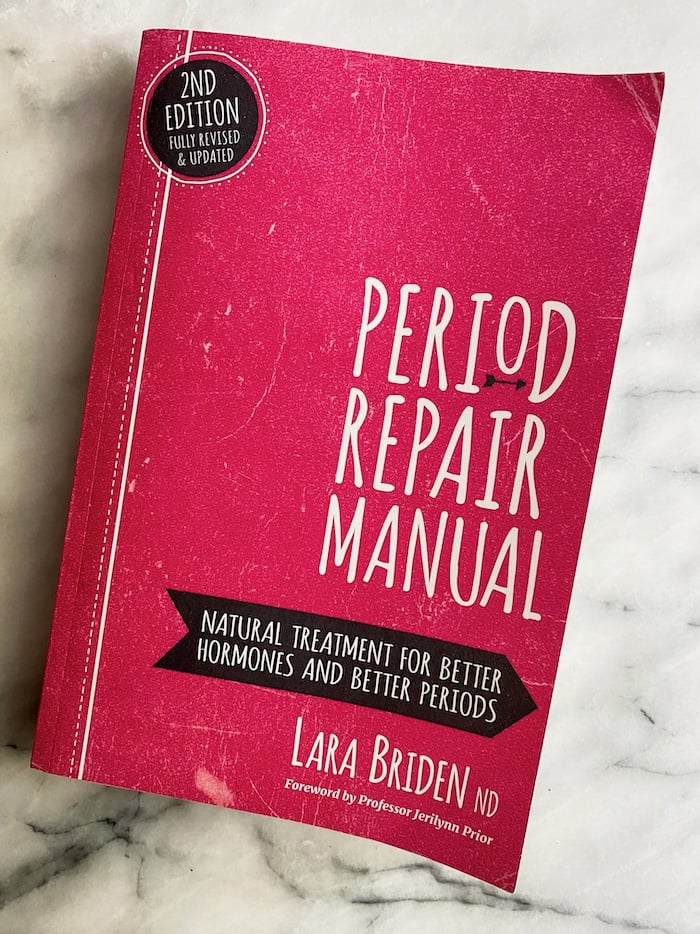
Learning more about healthy cycles, the female body, and hormones has been so helpful. Period Repair Manual (pictured above) is a great book for learning more about cycles. It breaks down your cycle and hormones, what a healthy cycle is, the effects of birth control and how it is not a period, ways you can heal your cycle, and more.
I believe everyone will benefit from reading this book whether you have your period or not. I reference it frequently and even send it to my nutrition clients that are struggling.
Currently, I do the fertility awareness method and track my cycle to have even more data about my body and hormones. Daysy (you can use that link for $15 off) has been so beneficial in learning when I am fertile, the duration of my cycle, and getting to know my own menstrual cycle.
Also using nutrition as a holistic approach – I am studying to be a nutritional therapy practitioner and diving into how food is so powerful to help heal the body.
This leads us to seed cycling…
Seed Cycling
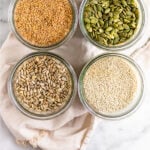
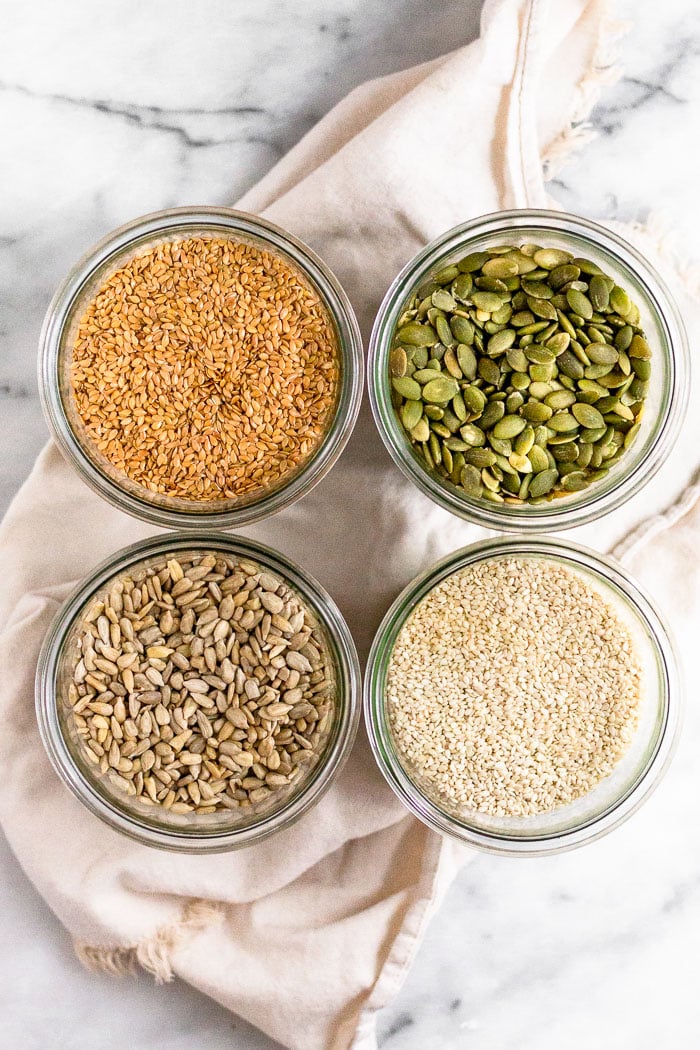
I have a whole post on seed cycling, but it is a natural way to balance your hormones via food and has done wonders for my body. When I got my first period 2 years ago, it was a guessing game for when my next one would come. My cycles were around 37 days and sometimes pretty painful. But after years of implementing these things and seed cycling, they are now around 28-32 days and are pretty symptomless.
Many women struggle and have difficulties with their menstrual cycle. This includes cramping, breast tenderness, painful periods, acne, irregular cycles, heavy or light bleeding, PMS, infertility, and more. These symptoms are usually our body telling us there is some kind of hormonal imbalance.
Eating the right seeds through your cycle phases (follicular and luteal) can help with improving symptoms and balancing your sex hormones, leading to a healthier cycle.
Supplementation
Food and lifestyle is such a powerful tool, but supplementation can be really beneficial as well. It is definitely not a one size fits all approach, but these can be great options.
- magnesium – this mineral helps calm your nervous system and relax your muscles. It also has a role in the HPA axis and improves the function of your thyroid hormone and insulin. When we are stressed, which is a lot in the modern world, our magnesium is depleted. I like to take mine at night since it helps relax your body and can aid in sleep.
- zinc – this mineral also helps regulate your HPA axis and helps with your stress response. It also is an anti-inflammatory and is essential for hormones, so a deficiency can cause period problems. It can also help with period pain!
- vitamin D – I would suggest this if you get tested and are deficient. Also, if you don’t get outside that much. But vitamin D is so so important. It is essential for hormone function and the absorption of calcium (bones main building blocks).
- Maca – considered a “superfood” and is an adaptogen and a member of the cruciferous family. It helps regulate hormones (can help boost testosterone and reduce excess estrogen).
- Vitex – this can be an option if you have done a lot of things and you still don’t have your period as it supports ovulation. I would only suggest this for 3-6 months as it is very powerful. I would also read up on the effects and dosage.
Working with someone experienced
Back in 2018 I didn’t know what I know now and working with someone with experience can be super helpful! After years of knowing I needed to change, I needed someone there to help me along the way if I was actually going to change. To help me increase my food, listen to my concerns, and has experience with balancing hormones. There are plenty of nutrition coaches or RDs out there that specialize in this. Even I help women with this now!
Telling myself this is what is best for my body
Sure eating more food sounds easy, but what goes on in-between our ears is really hard. Knowing that while I used to be 20-25 pounds lighter, that wasn’t my healthiest or best self. When we reverse diet and add food back in, there is a possibility that some weight gain is going to happen. And if it does, it is your body telling you it needs to happen to get to a healthy place.
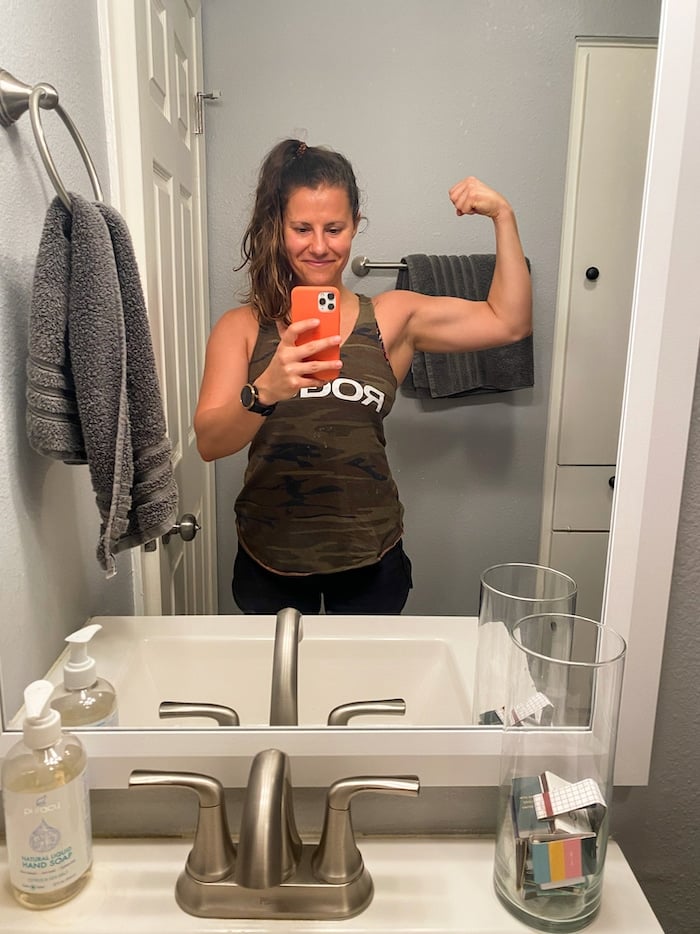
This has definitely been a struggle over the years, but the more and more I feed myself well, lift heavy weights, and have a healthy relationship with food and fitness, the more I love my body and appreciate how strong and amazing it is.
Foods that help you get your period back
I touched on this above, but carbohydrates and fat are really important for a healthy cycle. Like I said before, most women need 1800-2000 calories a day! Then you add working out on top of that. This list definitely does not hit on everything, but here are some things:
Carbohydrates:
- sweet potatoes
- white potatoes
- squash – butternut, acorn, spaghetti, delicata…
- pumpkin
- rice – white, brown, wild…
- quinoa
- oats
- ancient grains – barley, teff, farro, spelt…
- vegetables – ALL of them!
- plantains
- fruit
- beans and legumes – chickpeas, black beans, kidney beans…
- lentils
- sprouted bread
- sourdough bread
Healthy Fats:
- avocados
- olive oil
- coconut oil
- avocado oil
- ghee
- nuts
- seeds
- olives
- grass-fed beef
- salmon (wild-caught if you can!)
- whole eggs
- bacon
- cheese
- full-fat dairy
- nut butter – peanut, almond, cashew, pecan…
- coconut milk (full fat in a can)
- coconut butter
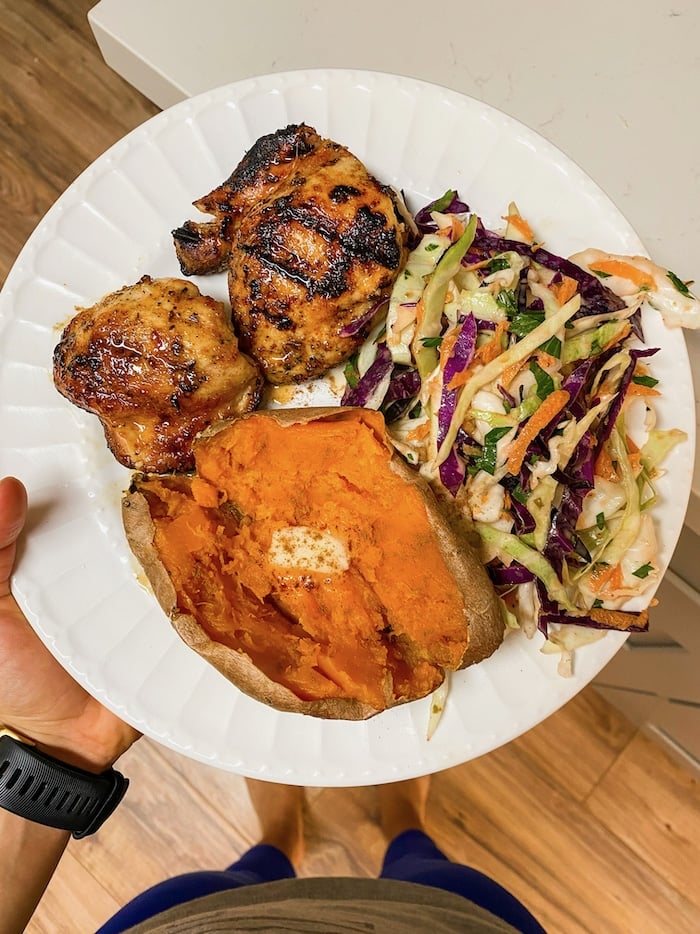
What I ate to get my period back
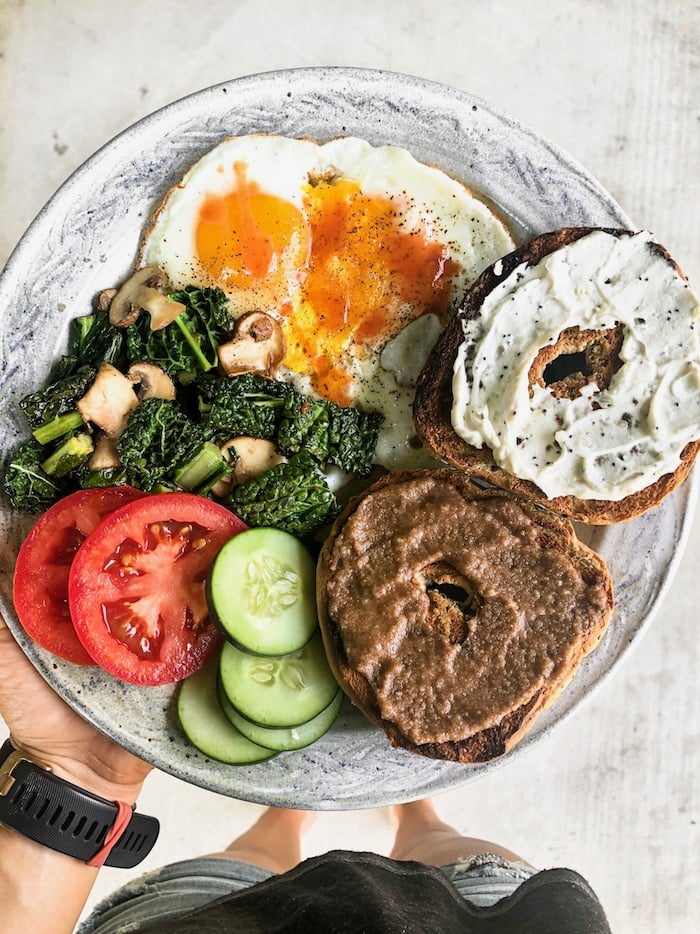
My diet is different from your diet, that is the neat thing about bio-individuality! A lot of the things I ate are actually listed above. With counting my macros and adding back in more food, I got to enjoy so many things I restricted for so long.
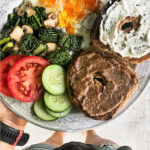
Some of my favorite things I ate to get my period back were all the potatoes (white and sweet!), white rice, oats, plantains, bread, full-fat dairy, cheese, coconut milk, grass-fed beef, and seeds from seed cycling. I also fully executed my food freedom and started to include things like pizza, bread, pancakes, muffins, ice cream, and desserts when I wanted to. Having these things when I wanted has really led me to a better relationship with food.
How to get your period back conclusion
Overall, this is what I found to help me get my period back. It was a long journey, but once I started implementing these things, my body thanked me for it. Not only did I get my period and am continuing to get my period, but I also live a much more balanced and sustainable life.
If you struggle with your period, know that you can do things to fix it. These are just simple things that could have a huge impact. They won’t ensure everyone’s period to come back but can be really beneficial to a lot of women. And do not wait until you want to have kids if you have period problems. These things can take years and having a healthy monthly cycle is a great way to get a glimpse into your general health.
If you have any questions or similar experiences, leave a comment below!
Please note that I am not a doctor and this is my own personal experience. If you have severe hormone imbalances and need individual support, consult with a holistic practitioner.
This post may contain affiliate links and I may make a little bit of money if you click on and purchase the products that are linked. It doesn’t cost you any extra money. The compensation helps with expenses to keep ETG up and running. I truly appreciate your support!
Get My Guide On
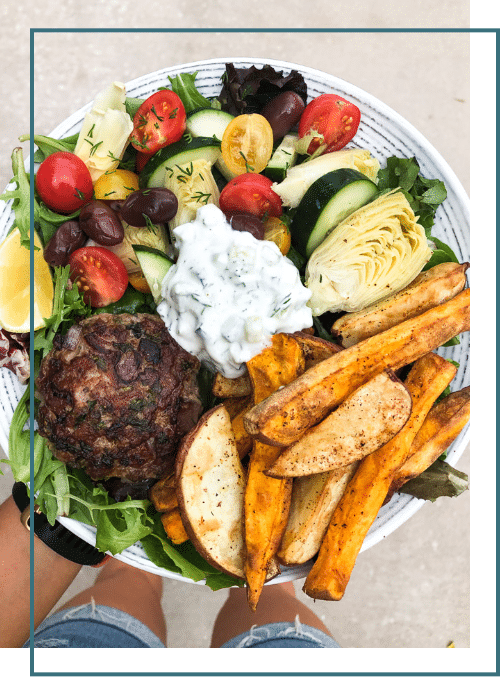
How to Build a Balanced Plate
No recipe, no problem! Learn the key factors to build a balanced plate for sustainable eating and to fuel your body to support your activity, goals, and lifestyle.
I fully understand that you’re not a doctor and not prescribing anything, but what form of magnesium did you use? And regarding vitex, how often did you supplement with it? Did you have any blood labs done prior?
Thanks and Merry Christmas to you, your story is inspiring!
Hey Kristine! Thank you so much and thanks for reading it! For Vitex I only took it for one month straight. I would recommend 3-6 months max. For magnesium, I take citrate, but glycinate is also really great! I had my blood taken a handful of years ago and everything looked fine. I didn’t do any labs when I really started working on getting my cycle back as deep down I knew it was probably from my eating/dieting and exercise. It’s not a bad idea to do though! Hope that helps!
Thank you Kelly, your post was so encouraging. Praying you have a safe and healthy 2021!
Thank you Kristine, you as well!
hi kelly, i lost my period around the end of this summer, so it’s been roughly four months. i had intense volleyball training over the summer (3-5 hours for 4 days a week), and i don’t think i was eating enough. now with school, i stil have practises and sometimes do hiit workouts, but they’re in reasonable amounts. the practises aren’t intense, and i don’t do hiit workouts that often. i don’t restrict, and i definitely eat at least 2000 calories/day. i’ve lost around 12 pounds this summer due to the training, but i can’t gain it back even with eating normally. to be honest, stress from school probably plays a large factor as well, but i’m not sure what to do.
Hey Janette! Sorry to hear that, but don’t be too discouraged as there are things you can work on to help. It sounds like the summer was pretty intense from workouts since you lost so much weight. Since it doesn’t sound like you are as active anymore, I would make sure you are eating enough. Most active females need over 2000 calories, and it sounds like you are young and pretty active! If you do need to gain some weight back in order for your body to feel safe, I would slowly add food in little by little. A little bit bigger servings can help, and fat and carbs are important for our cycle. And you are right, stress is a huge one. I know it can’t be avoided, but if you can do some things that bring you happiness (reading, get outside, playing with a pet, laughing…whatever it is), it can be really beneficial. Your body probably felt stressed this summer too and it can take time to reset (it takes your follicles about 100 days to mature so problems still can persist a few months down the road). You can also try seed cycling or just adding more seeds in your diet in general (these are good healthy fats). I hope that helps some!
Hello,I have lost my periods for about four months .what can I do to regain it back in a month.
Hey Esther – it’s hard to say when it will come back as I don’t know your background. But I would read through the post and see if you can do any of those things to help. Making sure you are eating enough and limiting stress is super important! Seed cycling can be helpful along with Vitex (for a short amount of time) if you want to try supplementation.
Hi, I’ve lost my period for about three months now any tips on how to get a period back in the quickest way possible and without gaining weight? Like if I were to increase my oil and avocado intake one week would I get it back the next? Thank you
Hi Emma! Unfortunately, it doesn’t come back quickly for some. I would make sure you are eating enough and not working out too much. Sometimes you do have to gain weight in order to get your period back for your body to feel in a safe place. If you do need to, I would slowly add food in little by little to help with not gaining excessive weight. A little bit bigger servings can help, and fat and carbs are important for our cycle. You could also try seed cycling if you wanted! Vitex can be a good supplement taken over a short period of time as well.
Hello! I’m 16 years old and I’ve lost my period for 4 months. It happened because the diet that I did before was too strict. I regret it so much now! After much research on the internet, I decided to try to eat more and not exercise for a while. I’ve gained 0.4 kilograms by now. I wonder how much weight I have to gain to get my period back? Thank you! ❤
Hi Agnes! Sorry to hear you lost it. Unfortunately, it’s hard to say how much weight you need to gain. I have weighed the same as I weigh now and didn’t have a regular cycle (because it was under eating). What you need to focus on is making sure you are eating enough. It is really important to be eating carbs and fat for your cycle. Dietary fat and cholesterol are precursors to our sex hormones. Adding some high-quality sources of carbs and fat can help – things like potatoes, sweet potatoes, winter squashes, whole grains, avocado, salmon, olive oil, seeds, and other things are great and are whole food sources. It doesn’t have to be a lot all at once, but adding some in or a certain amount each week can help! Hope that helps!
Hello.. it has been 5months since I lost my periods and I am very afraid of it I want it back ..but I don’t want to leave my exercise because I love them..what should I do?? I had been cutting on my calories a lot and I think because of which I lost it..pls help ..
Hey Ritupriya! Everyone is so different, but if you think you are undereating, you probably are. I would slowly add back in some calories and see if that helps. As for exercise, you can still exercise, I would just be mindful of the intensity and the amount you are doing. Exercise is really good for us, but we also need to be fueling properly for it. So if you add some food in, that should be okay!
do you have social media
Yes, I am on social media @eatthegains ! – https://www.instagram.com/eatthegains/
Hi! I’m experiencing the same problem right now and I don’t know where to start. I’m trying to eat more to gain weight but I am also afraid of gaining bad fats so i’m doing strength workouts. What workout/exercise can I do to have my period back but won’t gain a lot of fats? Any help would be great. And thank you for your blog I learned a lot. More power!
Hey Danna, sorry to hear you are going through this. If eating more (which can be so beneficial for our hormones), I would suggest slowly adding food in. Anywhere from 50-100 calories every few weeks to allow your body to adapt to it. You can just add a little bigger serving of some foods to your plate at meals. Strength training is going to the most beneficial – it is lower intensity on our body (not like HIIT), which is what we want when trying to balance our hormones, and also good for body composition. When we have more muscle, our body is usually burning more throughout the day. Hope that helps! Happy to answer any more questions and hope you get your period back soon!
Hi Kelly,
I have not had a period in 3 years now. As soon as I came off contraception I never had a cycle. Your article is great and thanks for sharing your experience. I have also had very bad adult acne and suspect that this is related. I’ve just started to take adaptgens, maca, magnesium and zinc as supplements. I have not eaten dairy or meat in 2 years and basically my diet is all wholefoods. I eat a lot of vegetables. Do you have any further pointers on supplements? Also how long did it take for you to get your cycle back once you decided to try?
Thanks
Emily
Hey Emily! Those are great supplements to start! Vitex can also be helpful if none of the dietary and lifestyle things you are tried are working. I talk about it above, but the Vitex should only be used for a short period of time. I would also make sure you are eating enough. While we want to get lots of nutrient-dense whole foods, a lot of them can be low calorie and not enough food in total for a whole day. Once I fully started to try, it took me about a year or so, but everyone is so so different!
do you still aeed cycle consistently even after balancing your cycle?
I do! I’ve been consistently doing it for about 2 years now. My cycle is better than ever and to be honest, I am a little nervous to stop as I don’t want that to change. I’m sure one day I will stop and I’m sure it would be fine, but right now it’s just in my routine so it’s easy.
That’s great. Huge thanks for sharing this post. Clomid helps me to regulate my periods. So happy 😊 The typical starting dosage of clomid is 50 milligrams per day for five days, beginning on the third, fourth, or fifth day after your period begins. You can expect to start ovulating about seven days after you’ve taken the last dose of clomid. Hope this helps.
Hi Shirley, I have not heard of clomid but thank you for sharing!
I think I will work on this clomid
I am not too familiar with it, but if you talk to your doctor you can see what would be best for you.
Kelly,
May I ask your birthdate/age?
You described me… lifestyle eating (not dieting… lifestyle) and fitness fanatic.
I just want to know if time is against me.
Hi Vic! I am currently going to be 33 this year. It was mostly all of my 20s that I was under-eating and over-exercising. Not sure how old you are, but you can definitely make changes at any age!